1.8 AI in the Real World: 6 Industries Being Transformed
We often talk about Artificial Intelligence as a futuristic concept—something that will happen. But the truth is, the future is already here. AI isn’t just winning chess games or generating funny images; it is quietly running the engine of our modern world.
From the hospital room to the stock market, algorithms are making decisions that save lives, save money, and save time. Let’s look at how AI is reshaping six major industries right now.
1. Healthcare: The Digital Doctor 🏥
Healthcare is perhaps the most critical area where AI is making an impact. It’s not about replacing doctors; it’s about giving them superpowers.
- Cancer Detection: AI algorithms, specifically Deep Learning models, are trained on millions of X-rays and MRI scans. They can spot early signs of tumors that are too small or faint for the human eye to catch, significantly increasing survival rates.
- Drug Discovery: Developing a new medicine usually takes over a decade. AI can simulate molecular interactions at lightning speed, predicting which chemical combinations might cure a disease before a physical lab test is ever run.
- Robotic Surgery: Surgeons use AI-powered robot arms that can perform incredibly delicate cuts with a level of steadiness and precision no human hand can match.
2. Finance: The Invisible Guardian 💰
If you’ve ever had your bank call you to ask about a “suspicious transaction,” you have interacted with AI.
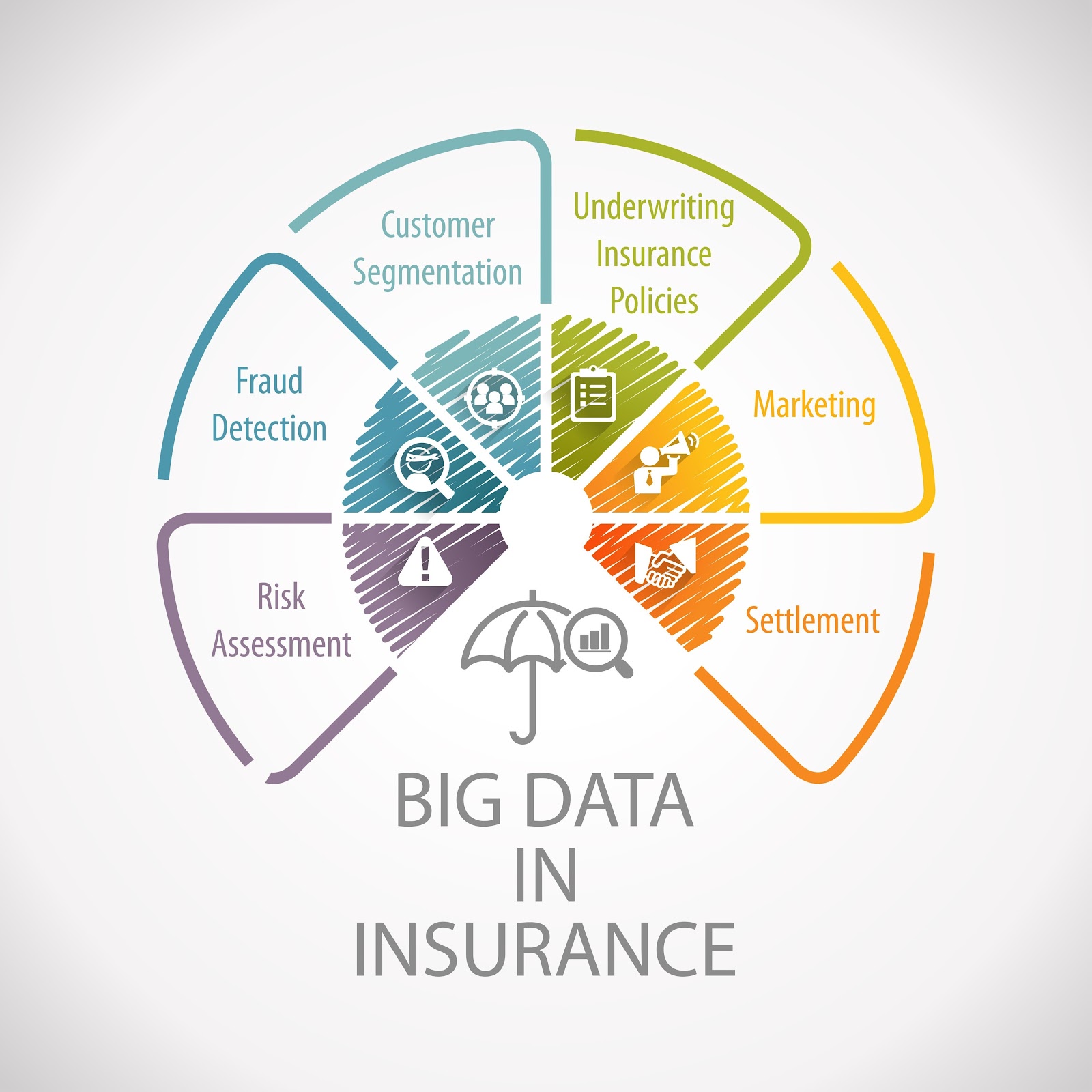
- Fraud Detection: AI systems monitor millions of transactions per second. They learn your spending habits instantly. If your card is suddenly used in a country you’ve never visited, the AI flags it as an anomaly and blocks it to protect your money.
- Algorithmic Trading: On Wall Street, humans aren’t the only ones trading anymore. High-frequency trading algorithms analyze news, market trends, and social media sentiment to buy and sell stocks in milliseconds, reacting faster than any human broker could.
3. E-commerce: The Ultimate Personal Shopper 🛍️
Ever feel like Amazon or Netflix knows you? That’s not a coincidence; it’s a Recommendation Engine.
- Personalized Recommendations: AI tracks what you look at, what you buy, and how long you hover over an item. It uses this data (“collaborative filtering”) to predict what you want next.
- Dynamic Pricing: Have you noticed airline tickets change price every time you refresh the page? AI algorithms adjust prices in real-time based on demand, competition, and even the weather, maximizing profit for companies.
4. Transportation: The Future of Movement 🚗
The dream of the self-driving car is no longer science fiction; it is currently being tested on roads worldwide.
- Self-Driving Cars: Vehicles like Tesla’s use Computer Vision (a type of AI) to “see” the road, identifying lane lines, pedestrians, and traffic lights to drive autonomously.
- Route Planning: Apps like Google Maps use graph-based AI algorithms to analyze traffic jams, accidents, and road closures instantly, finding you the fastest path home.
5. Business: The Efficiency Machine 📊
For businesses, AI is the ultimate productivity hack.
- Chatbots & Automation: Modern customer service often starts with an AI chatbot (like those powered by LLMs). They can handle thousands of queries simultaneously, 24/7, leaving only the complex problems for humans.
- Data Analytics: Companies are drowning in data. AI tools can swim through this ocean of numbers to find trends—like predicting which product will be a bestseller next month—helping CEOs make smarter decisions.
6. Education: The Personalized Tutor 🎓
The “one-size-fits-all” classroom model is outdated. AI allows for learning that adapts to the student.
- Personalized Tutoring: Intelligent tutoring systems track a student’s progress. If a student struggles with algebra but excels at geometry, the AI adjusts the curriculum, offering more practice and different explanations for the weak spots.
- Cheating Detection: With online exams, AI proctoring tools monitor eye movements and browser activity to ensure academic integrity.
Conclusion
AI is not “coming soon”—it is already the invisible layer of intelligence powering our daily lives. Whether it’s diagnosing a disease or recommending your next favorite movie, these “Real-World Use Cases” prove that AI is the most powerful tool humanity has built since the internet.